
The back story: two decades ago, we first deployed a new tool, Urchin, for a group of five London Museums, as part of a project to explore online audiences and how web visits relate to physical visits.
Working with the group over several months, we discovered the immense value of data analytics as a means to amplify impact for nonprofit organizations – it is now a core part of our practice. That same year, Google acquired Urchin, and incorporated its technologies into a new service: Google Analytics.
Since then, we have gone on to support a very wide range of nonprofit organisations around the world in their own journeys with data. Work with Google Analytics (GA) has been a constant element throughout – we have kept pace with its development and techniques, as well as found complementary tools and methods to help answer the questions that GA doesn’t answer or to present data in ways that reveal new insights or are more accessible to diverse stakeholder groups.
Working with organizations of all types, we’ve:
Helped staff go well beyond top level reporting, instead digging deep into data to reveal new insights
Derived tailored methods to translate those insights into actions – closing gaps, solving problems and taking up new opportunities
Produced tailored dashboards and visualizations that are optimized for purpose, for role or for stakeholders (both internal and external)
Supported clients in the implementation of long-term continuous improvement programmes, using data best practices to drive cycles of insight and implementation
Going beyond Google Analytics
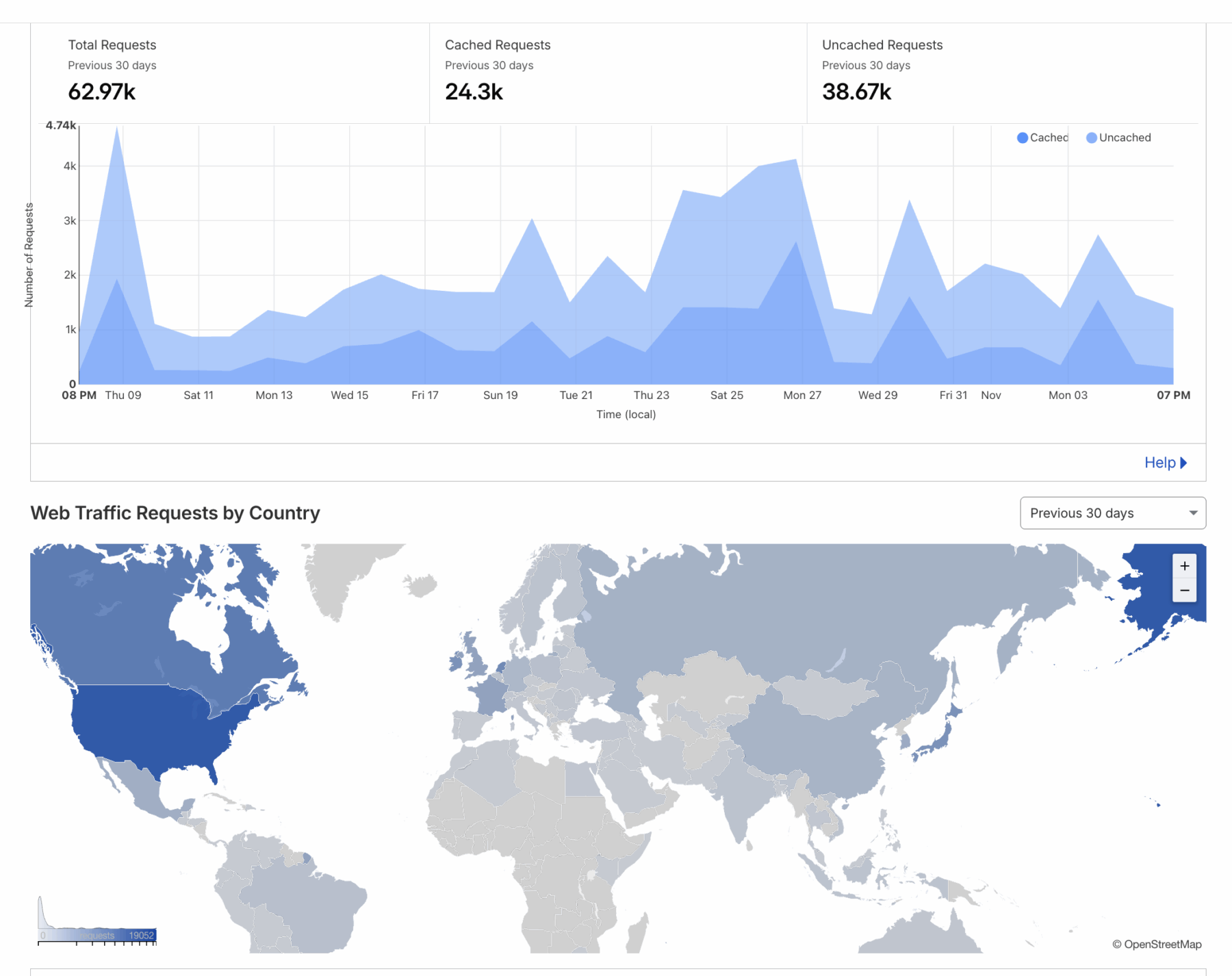
Although Google Analytics is a mainstay of web traffic analysis, it is not the only game in town. The transition to their new version, GA4, has led to a reduction in options for visualization, and the new interface is not as intuitive as it could be. Luckily, there are many other tools we can turn to (even some of which are also Google products). These examples below were made in Looker Studio (formerly Google Data Studio).


Services we provide
Training – from single one-to-one sessions to six-month data literacy programmes, we can tailor training around your needs
Configuring data tracking and your tools of choice so you can get all the information you need and skip past tedious technical admin and get directly to actionable insights
Creating dashboards, custom visualizations, occurrence alerts (for example a Slack message if eShop sales climb by more than 50%) as well as stakeholder presentations and reports
Combining web traffic data with other relevant sources, such as social media insights, audience segmentation models, ticket sales, donations made, census statistics (and many other examples) to gain extra levels of insight.
Traffic tracking
Emergence of regulations such as GDPR was in part prompted by concerns about cookies and other forms of “following” individuals around the web.
Google Analytics, and many of its rivals, work by asking website publishers to embed some Javascript into the public facing pages of their websites. Each time the page is loaded, that “front end” code manages the transfer of data back to Google’s own servers. Unfortunately for site publishers, privacy concerns have led to widespread blocking of those front end connectors, along with a large amount of people who deny consent to cookies, resulting in partial data being collected or no data at all.
Luckily, there are alternatives, that don’t use the same mechanisms at all. Some of these are to be found in content delivery networks, like Cloudflare’s offering, or dedicated software that can track usage via means that are not infringing privacy but can collect useful stats all the same.
We are always happy to support nonprofits with advice, please contact us if you have questions about these options.
Have a project? Or just an idea?
Whether you’re still at an early stage in your thinking, or you’ve arrived at a fully formed project specification, or you’re somewhere in-between, we’re always happy to explore how you might create meaningful digital impact.
Explore further:
-
 Collections, Data, Online exhibition, Website
Collections + digital
Connecting catalogues to audiences through digital innovation
-
 Collections
Bringing together key Irish collections
Getting an eclectic collection of around 4 million objects covering decorative arts, archaeology, Irish history, natural history and objects from around the world.
-
 Collections, Research and development
Unlocking granular access to local history
How can under-resourced museums still digitize dense archives? Explore our R&D project with the Mississippi Valley Textile Museum using AI and IIIF to unlock local history.
-
 Consultancy, Data
DAM or CRM or both?
Choosing specialist software can be very daunting. How can you make a good decision? We can help!
-
 Collections
Safeguarding heritage, embracing innovation with the British Library
Using IIIF technology, thousands of manuscripts and artefacts from the International Dunhuang Programme can now be explored like never before.
-
 Consultancy
Reimagining visitor experience at the Frick Collection
A new, visitor-centred approach for welcoming guests to this relaunched New York City museum